A trade-off framework for the $1M–$2M buyer who doesn't know where to start
You're making good money in New York or Hoboken. You've got somewhere between a million and two million to spend. But the idea of staying in the city — cramped apartments, sky-high prices for what you're actually getting — just doesn't feel like an upgrade anymore. Especially if you're starting a family or just craving more breathing room.
So you're thinking Jersey. But here's the thing: when people start researching the best Northern NJ towns for NYC commuters, all the names blur together. You don't know which one actually fits your life.
That's where most people either guess, or they ask their boss where he lives and copy that. Neither approach works.
The truth is, the right town for you depends on what you're actually willing to trade off. And once you figure that out, the decision gets a lot easier.
The Five Pillars That Actually Matter for NYC Commuters
When you're shopping in this price range across Northern Jersey, you're really juggling five things:
- Commute time and how you get there — train, bus, or car
- Walkability — can you grab dinner or coffee without driving everywhere?
- Schools — even if you don't have kids yet
- Space and lot size — what do you actually get for your money?
- Price point — what's your real budget
Most towns excel at some of these and compromise on others. Your job is figuring out which compromises you can live with.
The premium towns — Montclair, Ridgewood, Westfield, Millburn, Summit, and Tenafly — check most of the boxes. But you're paying for it, and you'll often get a smaller home or one needing work. Once you back off on one or two pillars, a whole range of other towns opens up at better price points. (If your budget is a serious constraint, our guide to finding a Northern NJ home on a budget walks through how to think about that trade-off in more depth.)
The NYC Commute: Your Biggest Lifestyle Change
Here's the reality most NYC buyers don't expect: once you cross the one-hour commute threshold, burnout starts kicking in. After four or five years of an over-an-hour daily commute, we see higher rates of job changes, dissatisfaction, and general life-fatigue. Keeping it under an hour matters.
But it's not just clock time — it's friction. A forty-five-minute bus ride where you're sitting comfortably with your laptop is not the same as four transfers, two flights of stairs at Secaucus, shoulder-to-shoulder at Penn Station, and then a subway to your office. The physical work of the commute is what wears people down.
There's another factor most buyers don't consider: time of day. If you're a trader or finance professional crossing the tunnel before 7:30 AM, you can shave fifteen minutes off any bus commute. Creative types rolling in at 10 AM are stuck in full traffic. Your work schedule actually changes which towns make sense.
You can verify current schedules and travel times directly through NJ Transit before locking in any decision — schedules update seasonally and the express train pattern shifts more than people realize.
Premium Fast-Commute Towns: Under 45 Minutes to NYC
Summit, NJ is one of the absolute fastest options. Express service to NY Penn Station runs 35–40 minutes during peak hours, with multiple express trains daily on the Midtown Direct line.
Millburn, NJ sits right there with Summit — direct trains to Penn Station in roughly 43–44 minutes, frequent service, no transfers required.
Montclair, NJ also lands in the premium tier with multiple stations throughout town. Trains to Penn Station run 34–45 minutes depending on which line you catch.
That speed and reliability is a huge part of why homes in these towns push two million and up. You're not just buying a house — you're buying the ability to be in your office by 9 AM after an easy ride.
The Solid-Commute Tier: 45–60 Minutes
Westfield, NJ is more nuanced than people realize. The Raritan Valley Line typically runs 50–60 minutes with a transfer at Newark Penn during rush hour. Some non-rush direct service exists, but don't count on it for your daily commute. The 113 bus is actually a strong alternative — 45–55 minutes door-to-door if you're flexible on timing.
Ridgewood, NJ requires a transfer at Secaucus to reach Penn Station — figure 50–60 minutes total depending on transfer timing and your final destination in Manhattan.
River Edge, NJ is around 40–50 minutes via train to Hoboken with a PATH transfer, with ferry options if you're heading downtown.
Tenafly, NJ is a bus-commute town. The 166 bus to Port Authority runs around 60 minutes plus or minus, heavily affected by tunnel traffic.
The Trade-Off Tier: 55–90 Minutes
Scotch Plains, NJ runs 55–65 minutes via train or bus, around 50 minutes driving without traffic. You're trading commute speed for more space and lower price.
Livingston, NJ has no direct train. Most commuters drive (40–45 minutes without traffic), use the Livingston Express Shuttle (around 45 minutes total to Hoboken/PATH), or take a bus with a transfer. It works — but it's not effortless.
North Caldwell, Western Essex County, Harrington Park — these are car or bus situations, consistently an hour-plus, and Harrington Park can hit an hour and a half. That's where you start crossing into the burnout zone.
Walkability: Which Kind Are You Actually Buying?
When buyers tell us they want "walkability," they usually mean one of two very different things.
The first is walkability to your commute — can you walk to the train station? This matters a lot if you're a one-car household or you don't want to deal with parking permits and waitlists.
The second is walkability to lifestyle — can you walk to dinner, to drinks, to a coffee shop on Saturday morning? Can you bump into neighbors at a restaurant? That's the kind of neighborhood energy that actually changes how you live.
The Premium Walkable Tier
Montclair, Westfield, Summit, and Ridgewood all deliver real downtown vibrancy. That Hoboken-esque energy: restaurants you'd actually want to eat at, bars worth going to, shops, real community. You can walk around on a Saturday and feel like you're somewhere, not just stranded in a subdivision. You're paying premium prices for it, but you're getting urban energy with the suburban benefits.
The Tier-Two Walkable Towns (Better Value)
If you want walkable downtown energy at a tighter budget, here's where to look:
- Westwood (Bergen County) — solid downtown, direct train, but homes are notably smaller and lots are tighter than the premium towns. You're trading square footage for the walkable lifestyle and a lower price point.
- Cranford (Union County) — just one town east of Westfield with its own walkable downtown, similar (sometimes slightly shorter) commute, good schools. Again, smaller homes than Westfield.
- Verona (Essex County) — works well as a tier-two option, but only if your home is along the Bloomfield Avenue corridor. The walkability is real but geographically narrow.
Everything else in this market is fundamentally car-dependent. You can find great neighborhoods, excellent schools, and tons of space — you'll just be driving for most errands and your social life. That's not bad. It's just a different lifestyle choice, and you should make it intentionally.
Northern NJ Schools: Beyond the GreatSchools Rating
Most people start their school research on Zillow or GreatSchools. They see a number — 8.2, 9.1 — and assume it tells them everything they need to know. It doesn't.
That number is one data point. The real question is: what does excellence mean for your family?
Some families care most about median test scores. Others are chasing a specific program — music, STEM, arts, special education support. Some want diversity. Some want small class sizes. All of those matter, and they matter differently depending on who your kids are and what they need.
We know families in Montclair who are considering moving their kids to Nutley specifically because Nutley has an excellent music program. Doesn't show up in the overall rating. But for a musically inclined kid, that's the difference between a great school experience and a frustrating one. Same logic applies to special needs support, advanced placement breadth, athletic programs — all the stuff a number can't capture. (For a deeper dive on choosing the right town for school fit, see our guide to the top Northern NJ neighborhoods for families.)
The 10-Out-of-10 Towns
The premium towns — Summit, Westfield, Montclair, and Ridgewood — deliver across the board. Strong academics, broad programs, engaged communities. You're paying for them, but you're getting the real thing.
The 8-Out-of-10 Tier-Two Towns
Genuinely strong schools relative to price:
- Verona and North Caldwell in Essex County
- Westwood and Township of Washington in Bergen County
- Scotch Plains in Union County
The ratings might be eights instead of tens, but you're getting better value, and depending on your family's needs, the fit might actually be better.
A Note on Going Further Out
If you're willing to step away from the daily NYC commute entirely, you open up a different category of towns. As you head further out — into parts of Passaic or Sussex County — you find communities where people aren't commuting to the city, so they invest more in local schools and amenities. School quality often goes up relative to home prices because demand isn't being driven by NYC commuters. We're not focusing on those towns in this guide, but it's worth knowing the dynamic exists.
The bottom line: don't just chase ratings. Talk to a realtor about what specific schools actually offer, visit them if you can, talk to families who live there. You can pull demographic and household data on any NJ town from the U.S. Census QuickFacts tool to round out your picture, but your kid's success depends more on fit than on a number.
Space and Lot Size: What Your $1M–$2M Actually Gets You
Here's a useful rule of thumb we share with clients: most families feel comfortable with 600–800 square feet per person in their home. Less than that and you start feeling cramped. More than that and the home can actually feel disconnected — empty rooms, kids in different wings, harder to feel like a family.
But what "large" means is personal. Some buyers want a sprawling house that fills the lot. Others want a big private yard and don't care as much about the home's footprint. Different towns deliver different things.
Home-Maximizing Towns
Paramus, Secaucus, and to some extent River Edge — homes here tend to take up most of the lot. Substantial square footage but smaller yards.
Premium Both-And Towns
Summit, Millburn, Montclair, Westfield, Ridgewood at the upper price points give you both — large homes and meaningful lots. You're paying for it, but you're getting the full package.
Western and Outer Tiers
Scotch Plains has a quarter-acre minimum lot size, with decent home sizes — solid value if you don't need premium finishes or new construction.
Morris County towns generally push toward half-acre lots. You're getting real space but adding commute and losing walkability.
Western Essex County — North Caldwell, the Caldwells generally — gives you bigger homes, larger lots, solid schools. The trade-off is full car dependence and a serious commute.
Bergen County tier-two towns like River Edge, Emerson, and Westwood typically run a sixth to a quarter of an acre. Smaller lots, but better commute and walkability than going further west.
The question is: do you want a big house, a big yard, or both? Once you know which matters more to you, the towns start to sort themselves.
Price Point: What Your Northern NJ Budget Actually Buys
Under $1.2M
Tier-two towns or further out. Westwood and Cranford give you walkability and decent commutes, but expect under 2,000 square feet and tighter lots. Scotch Plains gets you more space and quarter-acre lots with solid schools, but you lose walkability. Verona offers good schools and walkable spots along Bloomfield Ave, again with smaller homes. North Caldwell further west gives you excellent schools and more space, but with an hour-plus car commute.
$1.2M – $1.5M
Your options open up significantly. Livingston works if you're okay with a bus or driving commute — good schools, decent space. Cranford still works, possibly with a bigger home. Scotch Plains is comfortable here — nicer homes on quarter-acre lots are realistic. River Edge and Emerson in Bergen offer decent commutes, good schools, smaller homes and lots. Montclair starts appearing at the lower end if you're flexible on size or condition.
$1.5M – $2M
Premium town territory, but at the lower end of those markets. Montclair, Westfield, and Ridgewood all appear here, often in smaller homes or homes needing work. Summit and Millburn appear too, with similar caveats. Trade-offs really matter at this level: you can get a premium town if you're willing to renovate or accept a smaller footprint.
$2M+
The dream scenario in premium towns — larger homes, better condition, bigger lots in Summit, Millburn, Westfield, Montclair, and Ridgewood. You're getting the full package: commute, walkability, schools, and space.
So Where Should You Actually Look?
Here's the thing: there's no perfect town. Every choice is a trade-off. The question isn't "which town is best" — it's "which trade-offs can I actually live with?"
Start by being honest with yourself and your partner about how you actually live. Not how you want to live, not how your friends live — how you actually live. If you go out to restaurants and concerts most weekends, walkability matters. If you're a homebody who loves to read and smoke barbecue, it matters less. If you're commuting to Manhattan five days a week, commute time is everything. If you're hybrid three days, suddenly walkability and space matter more. If you have musically talented kids, the right school program matters more than the overall rating.
This is actually one of the most common topics we see couples disagree on. Most haven't really fleshed out their priorities together — they have vague ideas, and you'll be surprised how often they value these pillars differently. Part of our job is helping couples have that conversation honestly, before they're stuck visiting houses they shouldn't be looking at.
Once you know your priorities, the towns sort themselves. You're not trying to find the perfect place — you're finding the place that matches your actual life, not the life you think you should have.
That's where talking to a realtor who actually knows the market helps. Not to sell you a house you don't want — to help you think clearly about what matters and what doesn't. Because the best town for your boss might be completely wrong for you. Most people overvalue where they currently live and pigeonhole themselves into someone else's choice. Don't do that.
Frequently Asked Questions
What's the fastest Northern NJ town to commute from to NYC?
Summit, Millburn, and Montclair are the fastest, with express train service to Penn Station running 35–45 minutes during peak hours. Summit's express trains can hit Penn Station in 35–40 minutes — among the quickest options in Northern NJ.
Which Northern NJ towns have a Hoboken-style walkable downtown?
Montclair, Westfield, Summit, and Ridgewood deliver true walkable downtown energy at the premium tier. Westwood, Cranford, and parts of Verona offer walkable downtowns at a lower price point, though with smaller homes.
What can I get for $1.5M in Northern NJ as an NYC commuter?
At $1.5M you're at the entry point of premium towns like Montclair, Westfield, and Ridgewood — typically smaller homes or homes needing work. The same budget gets you a larger, move-in-ready home in tier-two towns like Cranford, Scotch Plains, or Westwood.
How long is too long for a daily NYC commute from NJ?
We see real burnout once a daily commute crosses the one-hour mark consistently. Friction (transfers, crowding, walking distance) matters as much as clock time. A 50-minute one-seat ride is very different from a 50-minute trip with two transfers.
Is Montclair or Westfield better for NYC commuters?
Montclair has faster, more frequent direct trains to Penn Station. Westfield has a stronger downtown food scene and is one of the top-ranked school districts in the state, but the train commute typically requires a transfer at Newark and runs longer. The right choice depends on whether you prioritize commute speed or in-town lifestyle.
Ready to Figure Out Which Town Actually Fits?
If you'd like to talk through your priorities and figure out which Northern NJ towns actually fit your life, we'd love to have that conversation. We work with NYC professionals making this exact move every week — and the conversation is genuinely useful even if you're a year out from buying.
The DeSilva Team | eXp Realty Eric & Kathryn DeSilva Schedule a call →
FROM OUR BLOG
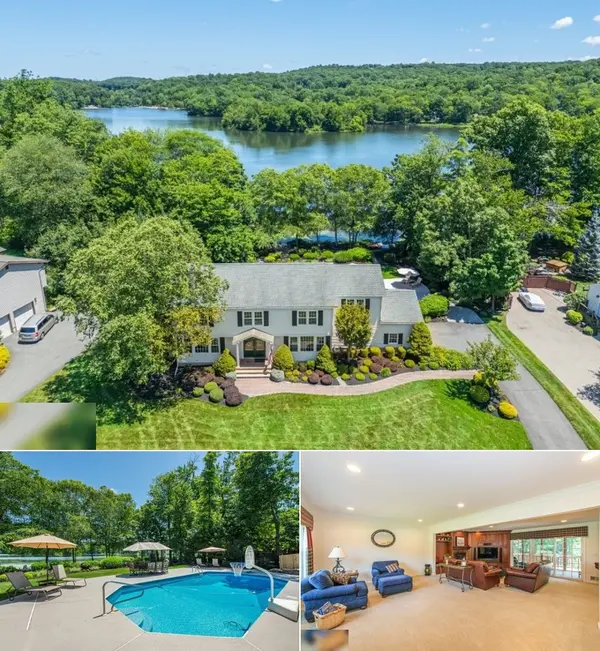
The Year Nothing Changed: Morris County's $1.2M–$1.5M Buyer Refuses the Headlines
Northern NJ Real Estate Weekly | Week of July 10, 2026 The Year Nothing Changed: Morris County's $1.2M–$1.5M Buyer Refuses the Headlines Rates went up again this week for reasons that have nothing to do with Morris County. The data says the county's move-up buyer didn't notice. Rate & Market Pulse
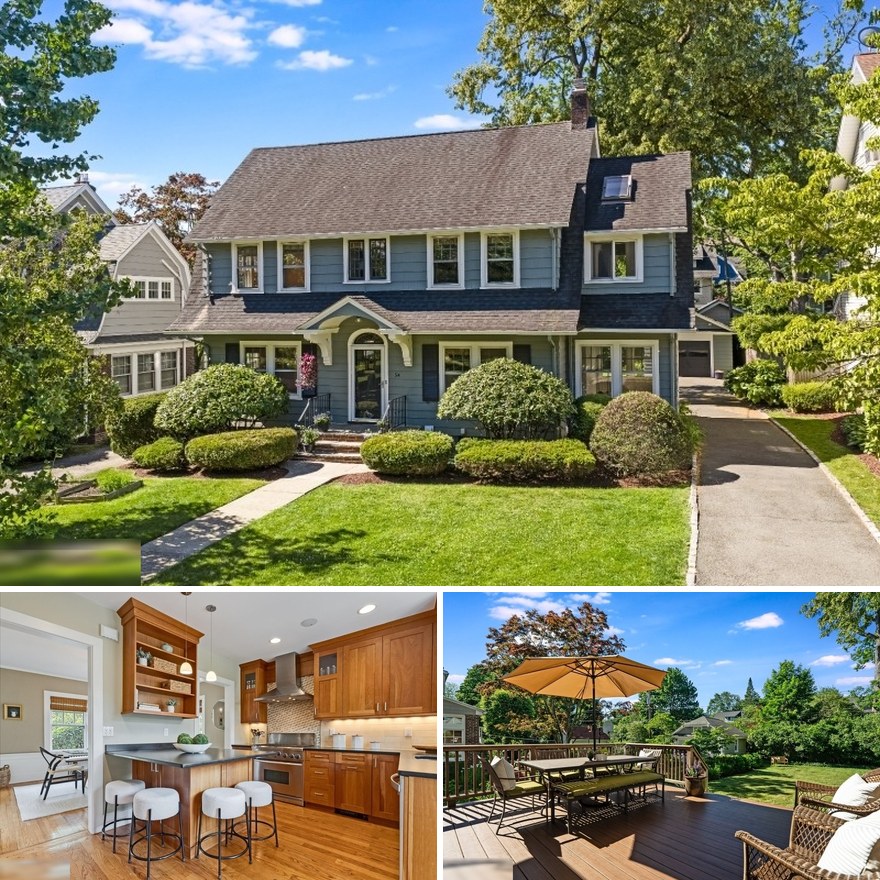
The Invisible Tier: Why Montclair Homes Sell $300K Over Their List Price
The Invisible Tier: Why Montclair Homes Sell $300K Over Their List Price Thirty-eight Montclair homes have closed between $1M and $1.5M this year — and most of them were never listed there. If your search filter starts at $1M, you're shopping a market you can't see. Rate & Market Pulse Freddie Mac's

What $1.7 Million Is Actually Doing in Bergen County
Northern New Jersey Real Estate Weekly What $1.7 Million Is Actually Doing in Bergen County A Northern New Jersey read on the county's busiest luxury tier While the headlines wait on the Fed, Northern New Jersey's $1.5–$2 million market has spent the entire year doing one quiet thing on repeat
About the Authors
Eric & Kathryn DeSilva are local North Jersey real estate advisors specializing in strategic pricing, digital marketing exposure, and data-driven negotiation. Based in Nutley, they serve Essex and Bergen County homeowners and buyers.
Thinking About Making a Move in 2026?
Whether you're buying or selling in Nutley or surrounding North Jersey towns, we help you move with strategy — not guesswork.

BUYER SERVICES
We're here to help you find the home of your dreams. With a team of experts guiding you every step of the way, our extensive knowledge and experience will ensure you have the best home buying experience possible.
SELLER SERVICES
We take the stress out of selling your home by providing a seamless experience from start to finish. Our team will put you in the best position to market your home and sell it for the highest possible price.