
You may have seen headlines recently saying foreclosure filings are starting to increase.
And when people hear that, their minds often go straight to one place:
2008.
But before jumping to conclusions, it’s important to look at what the data actually shows.
Because while foreclosures have ticked up slightly, the overall picture today looks very different from the housing crash.
Foreclosures Are Rising — But Context Matters
Yes, foreclosure filings have increased a bit.
But they’re still extremely low compared to historic levels.
One of the best ways to measure risk in the housing market is by looking at serious mortgage delinquencies — loans where homeowners are more than 90 days behind on payments.
While those have increased slightly, data from the New York Fed shows they still remain low. And they aren’t anywhere close to levels seen when the market crashed (see graph below):
 Today, about 1% of mortgages fall into that category.
During the housing crash, that number was closer to 9%.
That’s the difference between:
-
1 in 100 homeowners today
-
1 in 11 homeowners during the crash
Those two situations are not even remotely comparable.
Even Delinquencies Don’t Automatically Lead to Foreclosures
Another important point is that not every homeowner who falls behind loses their home.
Many people work out repayment plans with their lenders.
Banks are often willing to do this because foreclosures are expensive and time-consuming for them as well.
That’s why the number of actual foreclosure filings is even smaller.
Right now, only about 0.3% of homes are in foreclosure filings.
That’s not a wave of distressed properties entering the market.
It’s a ripple.
Why Mortgage Payments Stay a Priority
Another interesting pattern shows up when looking at consumer debt.
Data from the New York Fed shows that delinquencies on credit cards and auto loans have risen more noticeably than mortgage delinquencies.

In other words, when households feel financial pressure, they often prioritize their housing payment above other bills.
That makes sense.
For most people, the last thing they want to risk losing is their home.
Home Equity Is Another Major Safety Net
There’s another major difference between today’s market and the 2008 housing crash:
home equity.
Over the past several years, rising home prices have created substantial equity for many homeowners.
That equity gives people options.
If a homeowner experiences financial stress, they may be able to:
-
sell the home before foreclosure becomes necessary
-
walk away with remaining equity
-
restructure their finances
During the housing crash, many homeowners owed more than their homes were worth, which made selling difficult.
Today, the situation is very different.
Bottom Line
Are foreclosure filings increasing slightly?
Yes.
But they’re still far below the levels seen during the housing crash.
Low delinquency rates, strong homeowner equity, and lender flexibility all suggest that today’s housing market is fundamentally different from 2008.
So if recent headlines have you wondering whether the market is heading for another foreclosure wave, the data tells a very different story.
Perspective matters.
FROM OUR BLOG
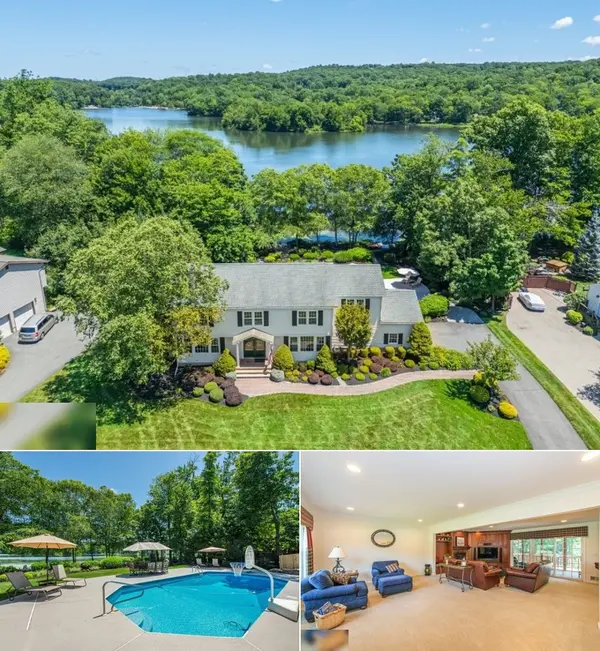
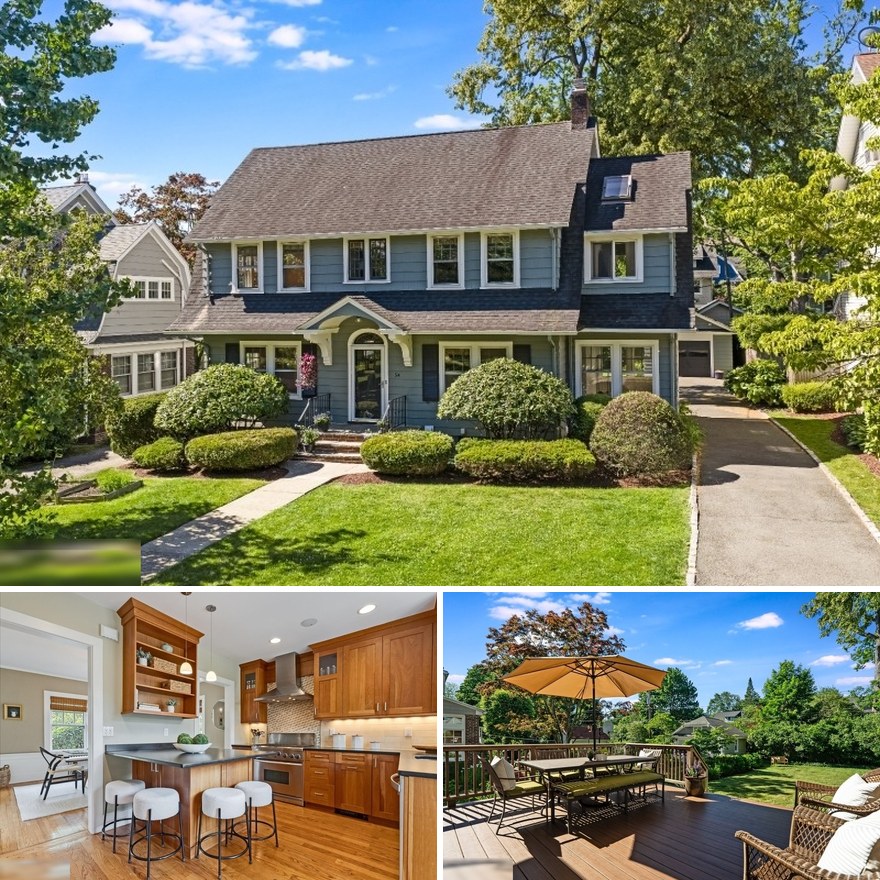
The Invisible Tier: Why Montclair Homes Sell $300K Over Their List Price
The Invisible Tier: Why Montclair Homes Sell $300K Over Their List Price Thirty-eight Montclair homes have closed between $1M and $1.5M this year — and most of them were never listed there. If your search filter starts at $1M, you're shopping a market you can't see. Rate & Market Pulse Freddie Mac's

What $1.7 Million Is Actually Doing in Bergen County
Northern New Jersey Real Estate Weekly What $1.7 Million Is Actually Doing in Bergen County A Northern New Jersey read on the county's busiest luxury tier While the headlines wait on the Fed, Northern New Jersey's $1.5–$2 million market has spent the entire year doing one quiet thing on repeat
The Market Moved Upstairs: Where Northern NJ Home Sales Are Growing in 2026
The market didn’t freeze — it moved up the price ladder. What that means across Northern NJ. The Market Moved Upstairs Across Northern NJ, the entry-level market is shrinking while the move-up tiers keep expanding — here’s what that means for your next move. Rate & Market Pulse The headline out of
About the Authors
Eric & Kathryn DeSilva are local North Jersey real estate advisors specializing in strategic pricing, digital marketing exposure, and data-driven negotiation. Based in Nutley, they serve Essex and Bergen County homeowners and buyers.
Thinking About Making a Move in 2026?
Whether you're buying or selling in Nutley or surrounding North Jersey towns, we help you move with strategy — not guesswork.

BUYER SERVICES
We're here to help you find the home of your dreams. With a team of experts guiding you every step of the way, our extensive knowledge and experience will ensure you have the best home buying experience possible.

SELLER SERVICES
We take the stress out of selling your home by providing a seamless experience from start to finish. Our team will put you in the best position to market your home and sell it for the highest possible price.